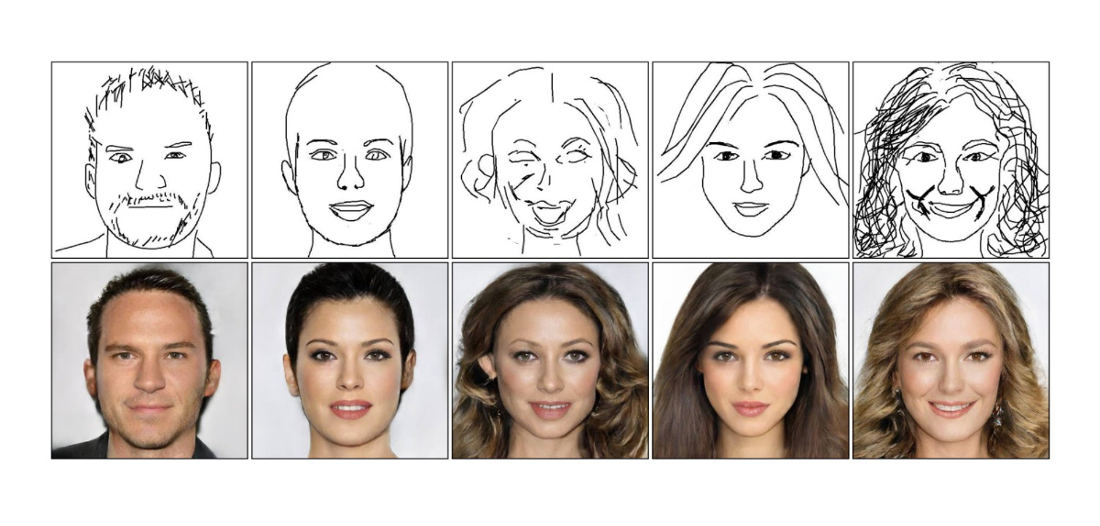
This is a video demonstration of DeepFaceDrawing, an artificial intelligence system that creates photorealistic portraits from really crappy drawings, and *eyeing example photo* I mean REALLY crappy. So, the next time you need to generate yourself a fake online boyfriend or girlfriend (without risking stealing someone’s Instagram photos) so your

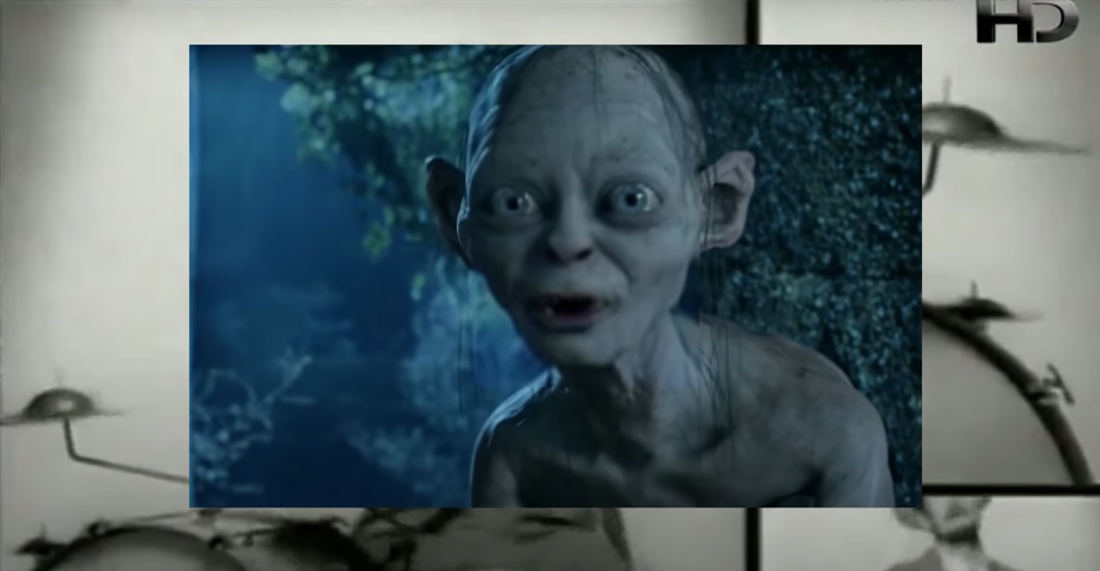
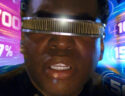
Because the end can’t come soon enough, this is a video of Gollum deepfaked to perform Scatman John’s ‘The Scatman’. It’s pretty terrifying just how good it is. Thankfully *mixing Kool-Aid, tastes with pinky it will all be over soon. “Add more of the skull and crossbones powder.” More pirate
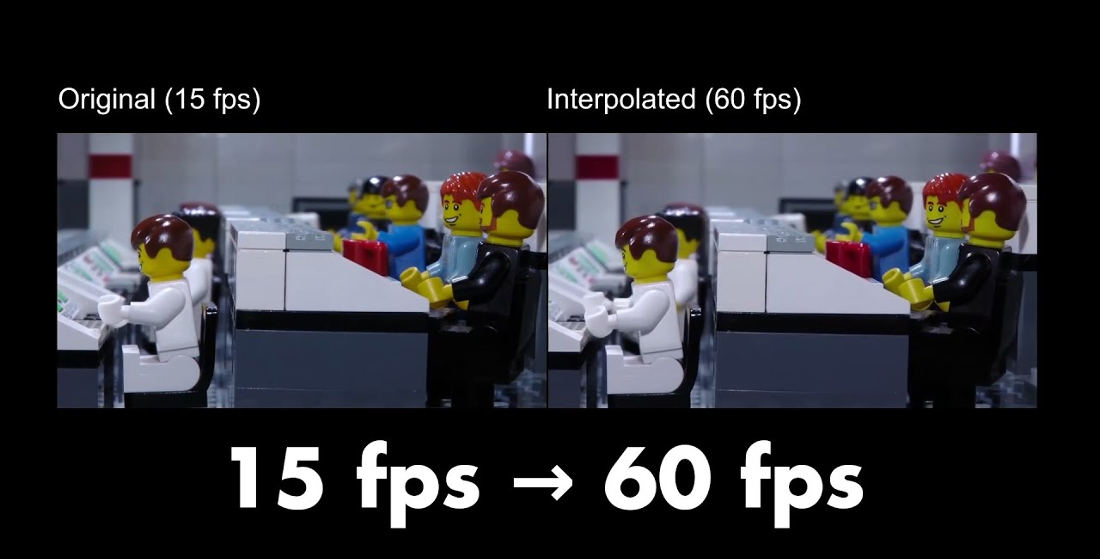
This is a video of Youtuber LegoEddy discussing and exhibiting the Apollo 11 stop motion LEGO movie he made that was originally shot at 15 frames per second, which he then boosted to 60FPS using DAINAPP (Depth-Aware video frame INterpolation), a neural network that predicts new frames to increase the
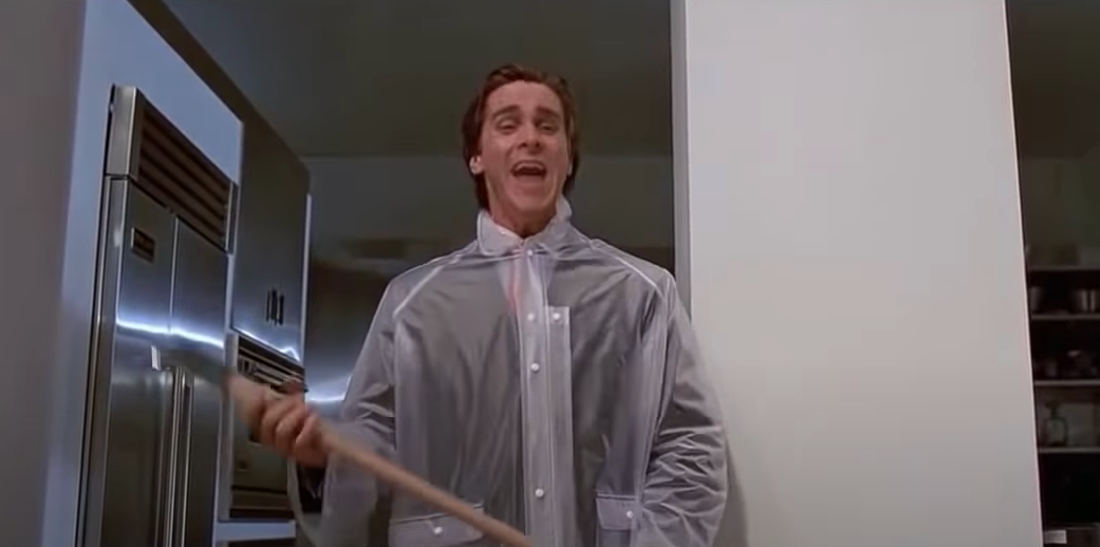
Because this is the internet, here’s a video of a bunch of different movie characters deepfaked to perform Smash Mouth’s ‘All Star’. The video was created by Youtuber ontyj utilizing Wav2Lip, a neural network that uses existing video of human faces speaking to match a different audio source. The result
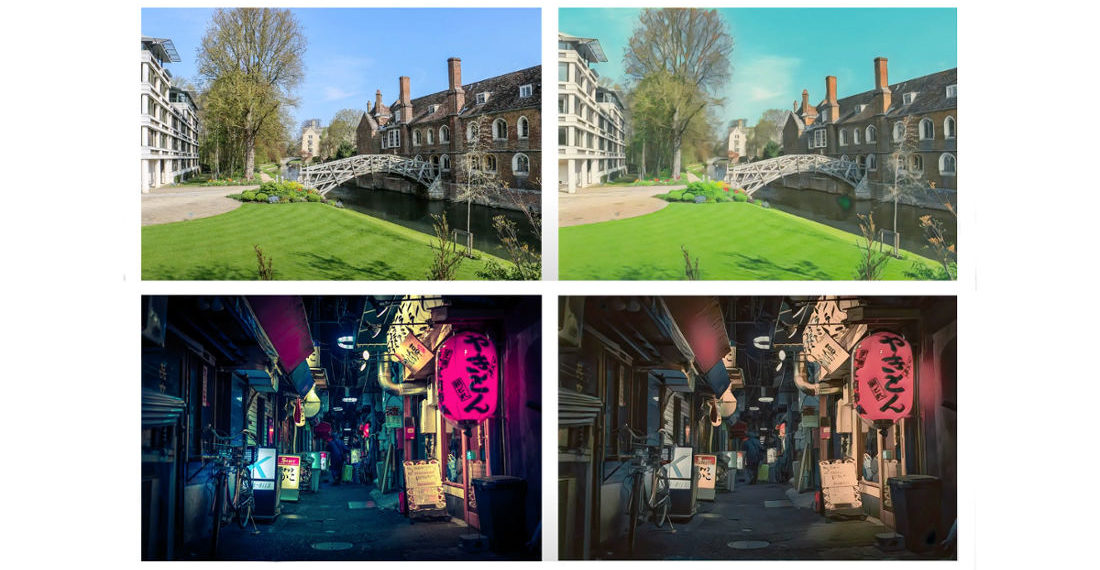
This is a video of Rasul Hasan providing a tutorial for how to use the AnimeGAN2 neural network to render real-life photos into anime-like scenes. In this case, Rasul trained the neural network with data sets from the movies of directors Hayao Miyazaki, Makoto Shinkai, and Satoshi Kon. Like working
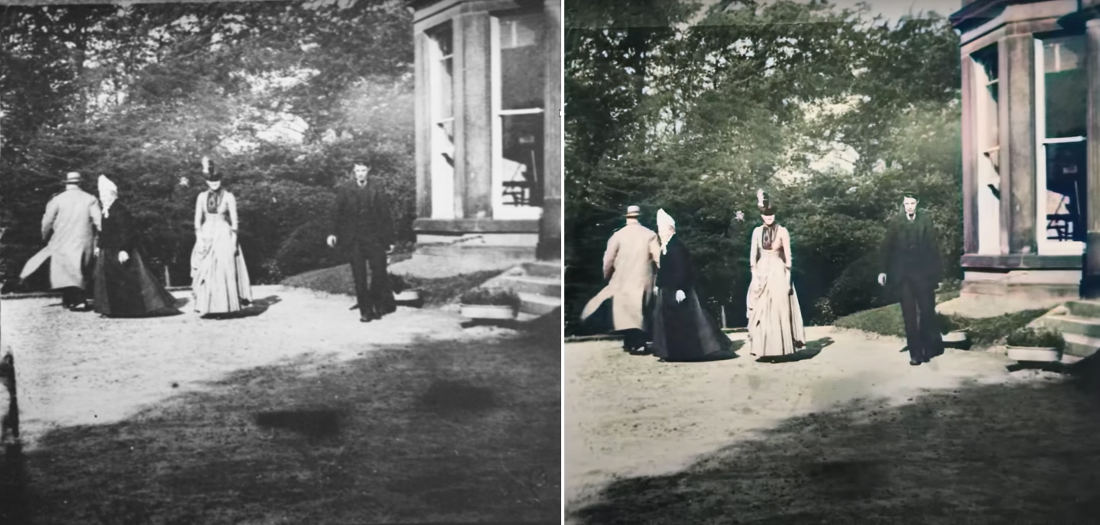
This is a video of Louis Le Prince’s ‘Roundhay Garden Scene’ footage — the oldest known video — shot in October of 1888 in England, upscaled to 60 frames/second using an ensemble of neural networks, with some stabilization, deflickering, denoise and coloration added for good measure. Overall it looks like
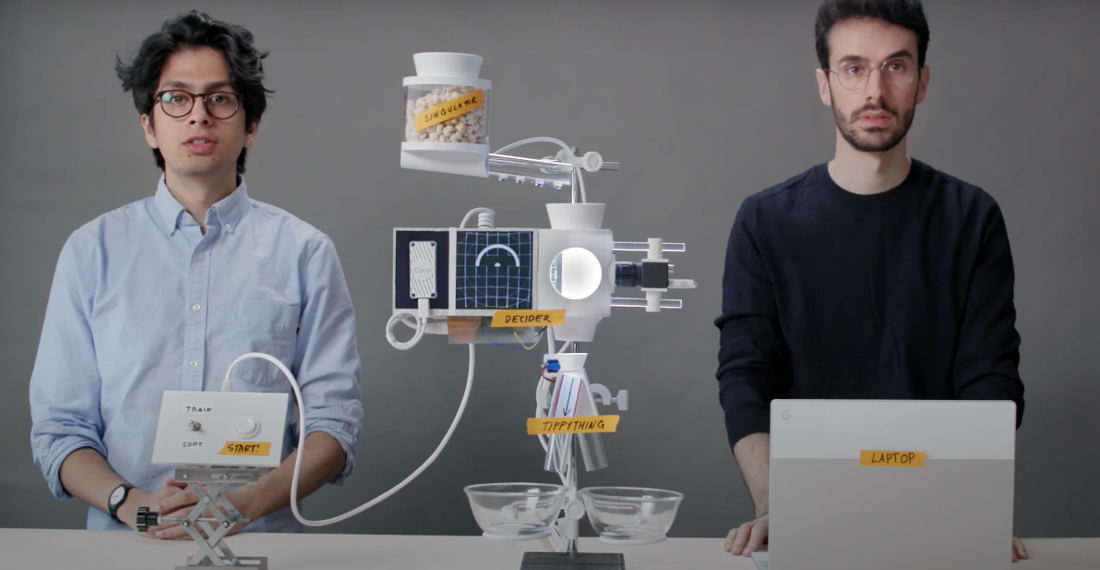
This is a video of Google engineers Lucas and Gotham (I think that’s what he said?) demonstrating the Teachable Sorter they built using Google’s Coral (an on-device AI capable of machine learning without needing access to the cloud) and Teachable Learning (a machine learning model that learns to recognize objects

- October 8, 2026

- October 7, 2026

- October 6, 2026