
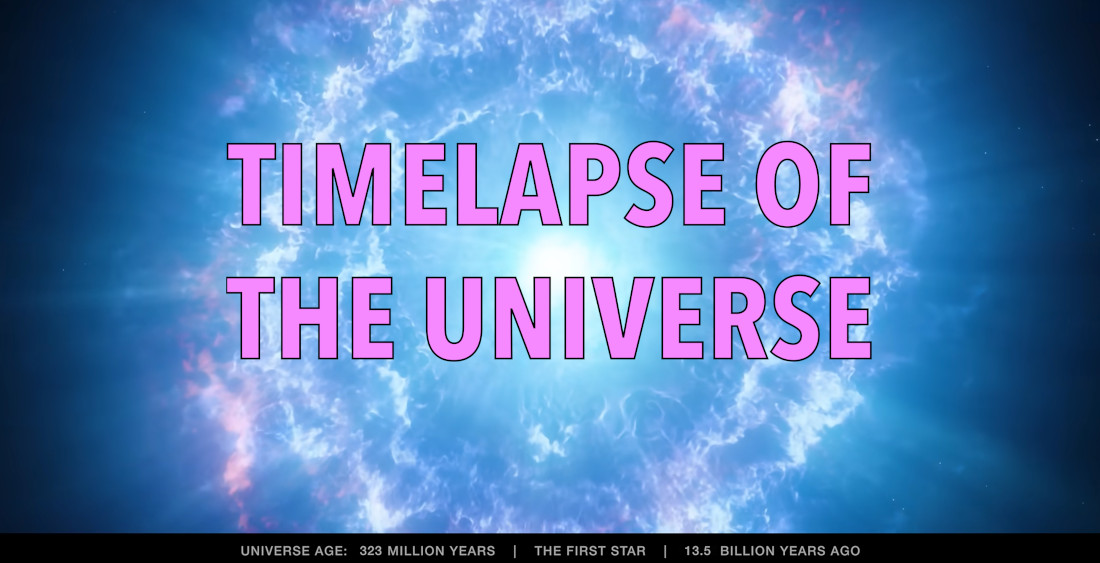
Originally made in 2018 but updated with sick 4K graphics and narration by EpicSpaceMan (aka Toby Lockerbie), this is Melodysheep’s ‘Entire History Of The Universe’. The timelapse packs 13.8-billion years into roughly 10-minutes, where every passing second represents 23-million years. That’s hard for me to wrap my head around. Granted,

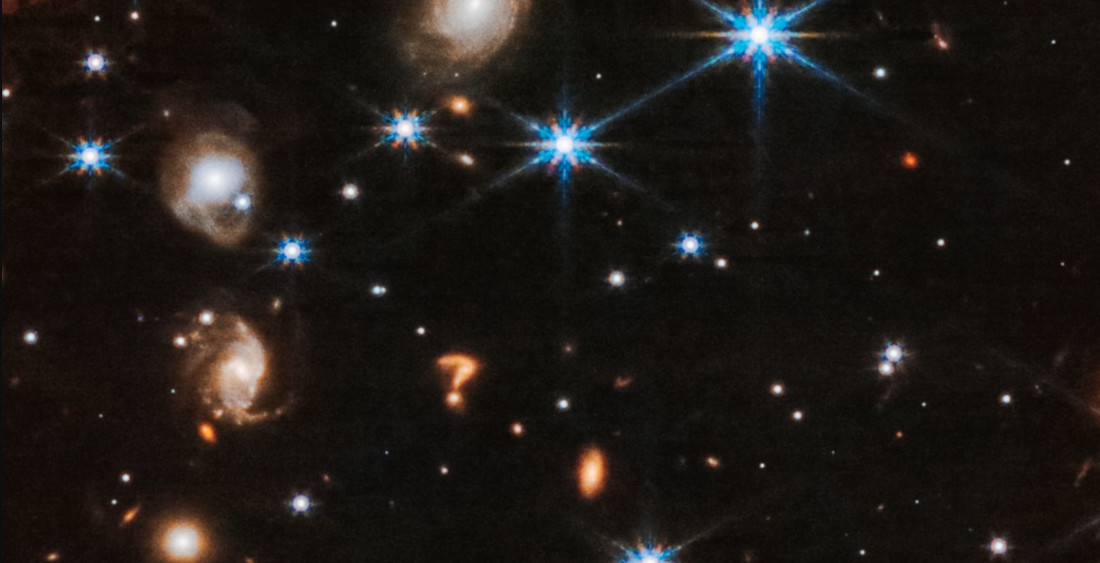
Because what does it all mean is THE question, this is a shot from the James Webb Space Telescope of a galaxy that looks unquestionable like a question mark. Some more info while I shake my fist at the heavens and demand fewer questions and more answers: It is probably
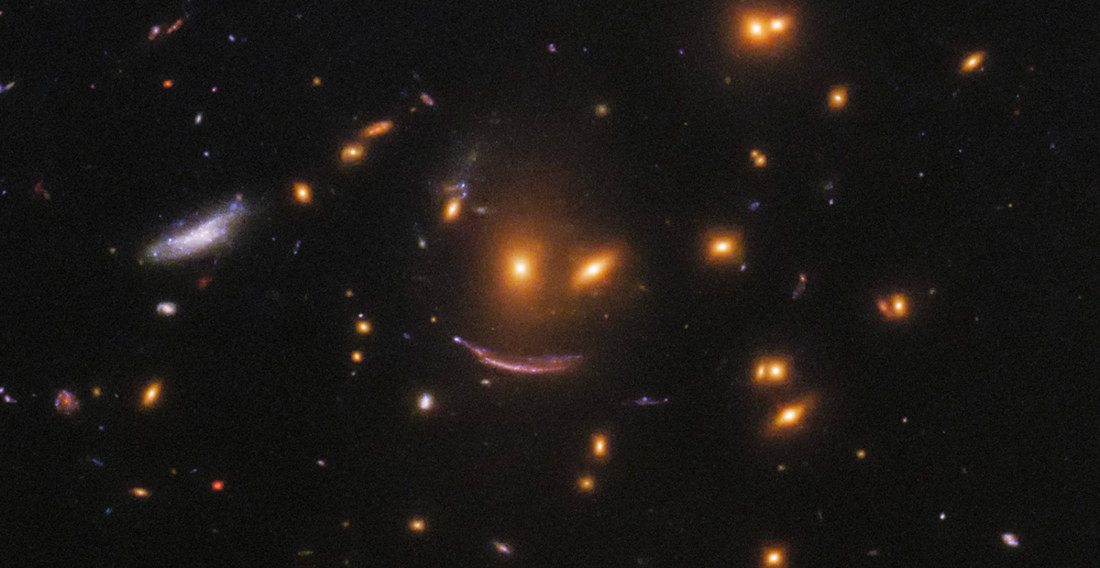
Captured by the Hubble Space Telescope’s Wide Field Camera 3 (WFC3) in the constellation Leo Minor, galaxy clusters SDSS J0952+3434 appear as a giant smiley face, grinning at us from 4-billion light years away. Ha, I’d be smiling too if I were that far away from the dirtbags on earth.
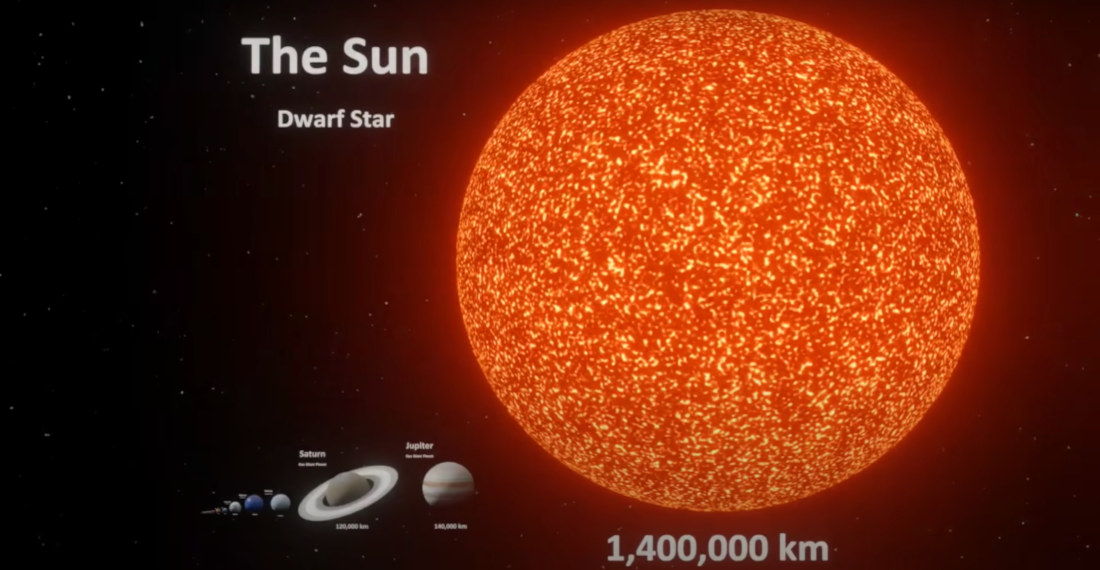
This is a visualization of the size of various known celestial bodies in the observable universe (all 93 billion light years of it). Surprisingly not included? My girlfriend’s body — which is hands down the most magnificent celestial body in this AND the Star Wars and Marvel universes. Fingers crossed
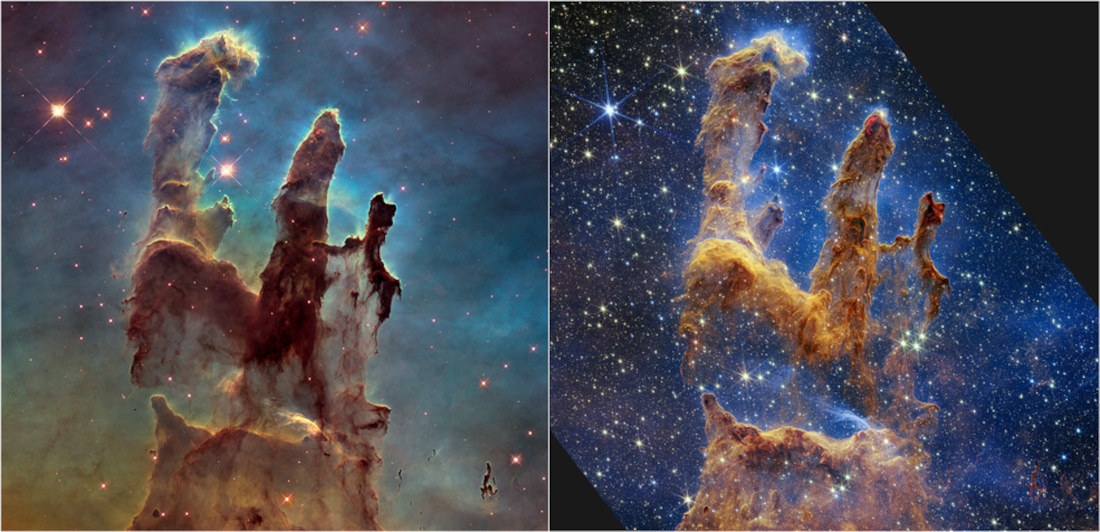
Note: If you’re looking for some bitchin’ desktop backgrounds you can get super high-res versions of the Hubble’s 1995 image HERE, 2004 image HERE, and James Webb’s most recent shot HERE. Now let’s play space rangers! The Pillars of Creation, made famous by the Hubble Space Telescope’s 1995 and 2004
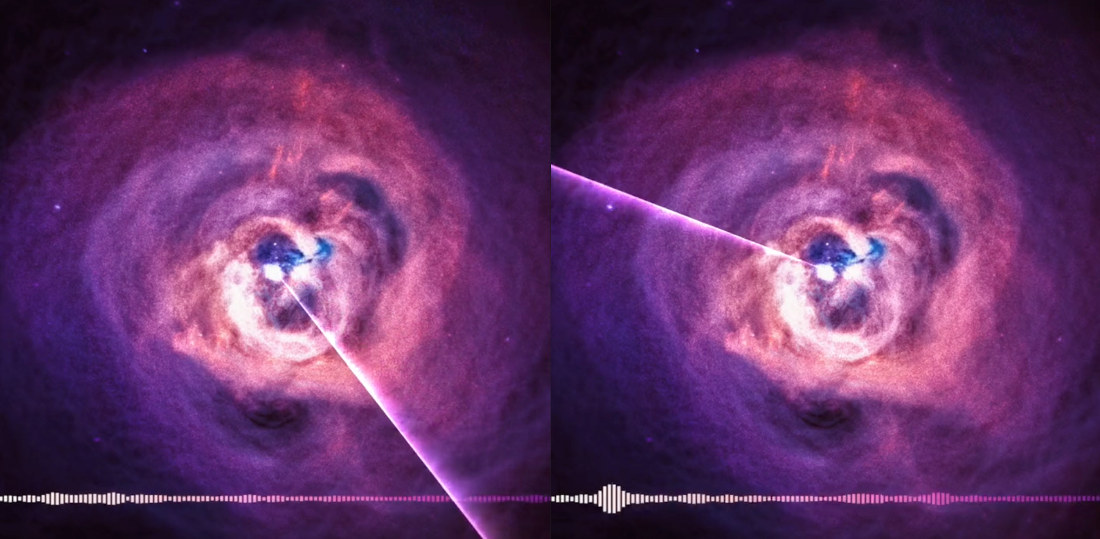
Because where better to look for fresh beats than beyond our own corner of the galaxy, NASA has released ‘Black Hole Remix’, audio from a distant galaxy cluster. Or possibly just the sound of a billion UFOs chugging along in the space in-between. Either way, it beats whatever I just
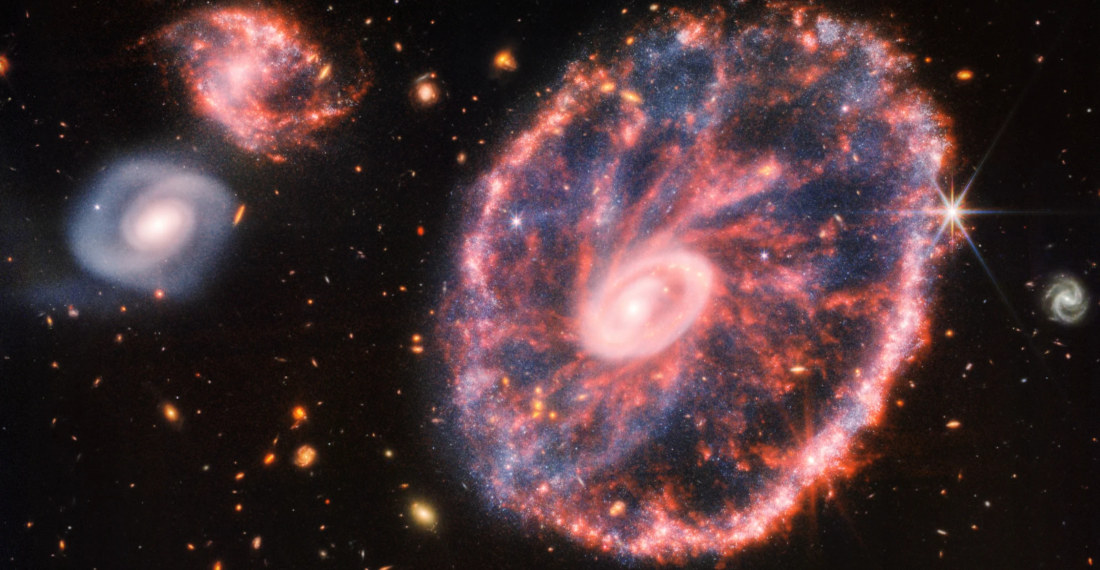
Hot off the press from NASA come these incredible images of the Cartwheel Galaxy, an absolute stunner of a galaxy some 500 million light years from earth. I remember the last time I attempted a cartwheel my shirt rode up and everyone laughed at my belly. Not cool. The galaxy
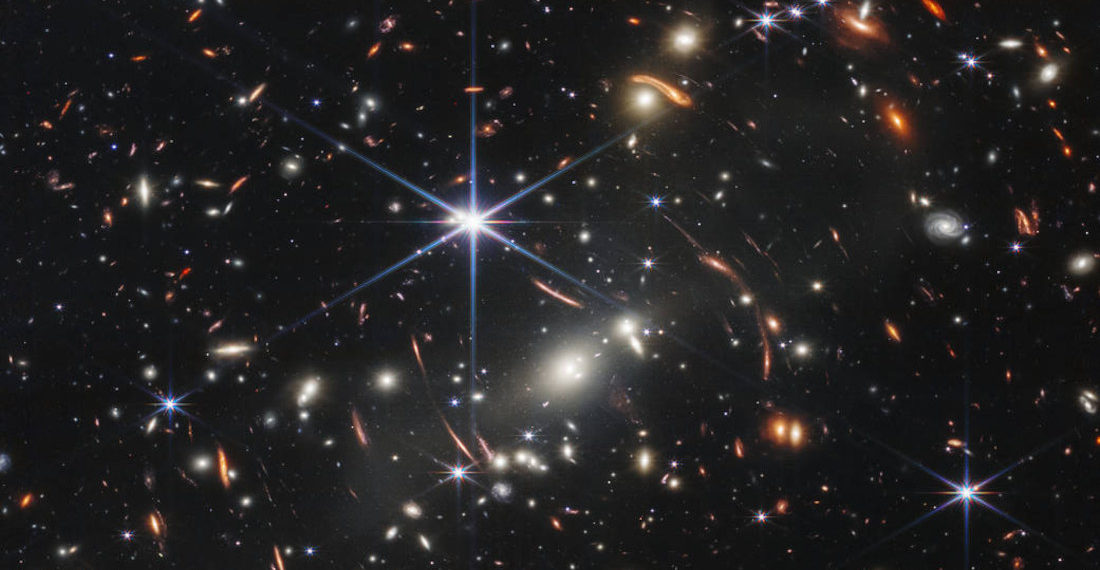
In news that’s surely been highly anticipated by the alien hunting community, NASA has just revealed the first images from the James Webb Space Telescope, capable of capturing incredibly distant galaxies only visible in the infrared spectrum (you can read more about the select images HERE). How about that! So,


- October 8, 2026

- October 7, 2026

- October 6, 2026